7 Habits of Highly Effective High School/Collegiate Strength and Conditioning Coaches
By Matt Dawson
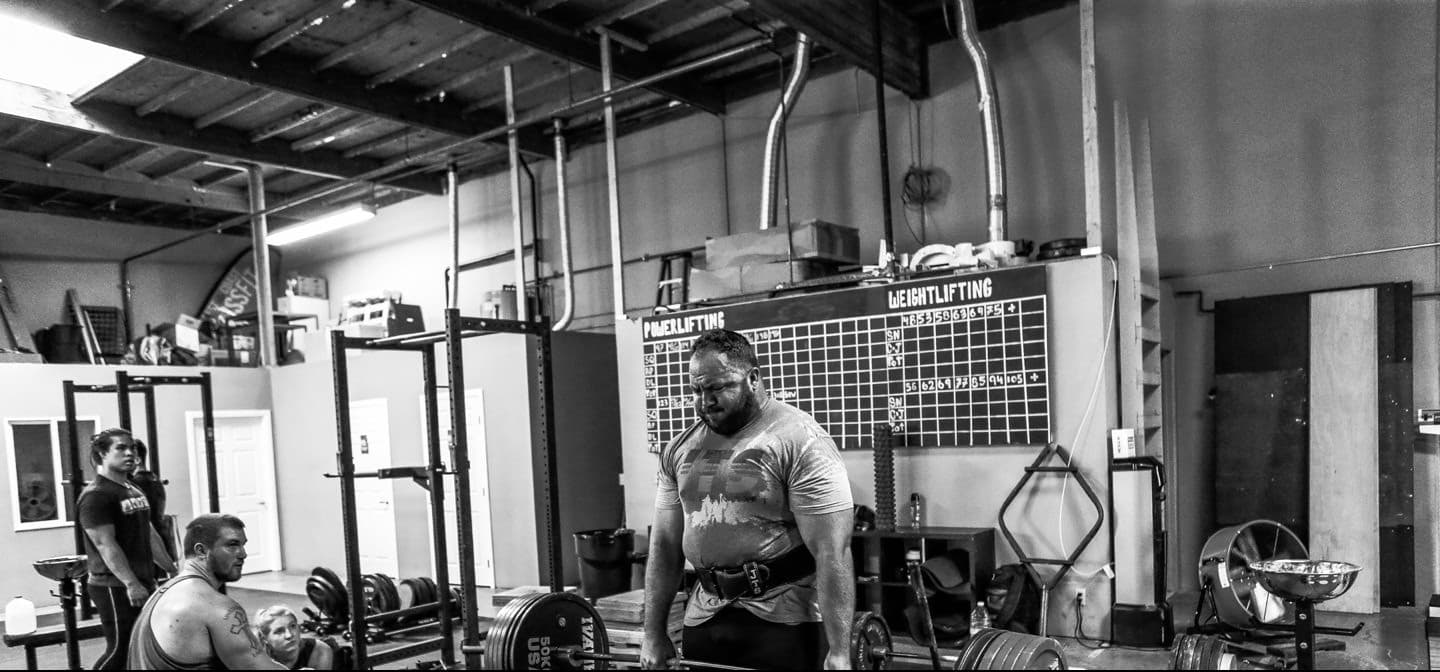
Lots of Juggernaut Training Systems’ followers and subscribers are individuals who work with high school/collegiate athletes, in the realm of strength training and conditioning. Some of us are in charge of the entire program, while others provide guidance, a helping hand, and/or other forms of assistance in creating bigger, faster, and stronger athletes. I have had the opportunity to work with all sorts of athletes ranging from 13 year old 8th graders, all the way up to world class, All-American collegiate athletes and professional athletes. No matter who you are training, these 7 habits are needed in creating effective programs, that the student-athletes believe in, and buy into.
These are not in any particular order:
1. Sell Yourself
Make them buy in. Everything else on this list stems from this. Your body and your accomplishments are advertising billboards in this industry. You need to be relevant, and have vast experience in strength training and conditioning. An effective strength coach needs to have accomplishments to back up what he/she is preaching to the students. You need to have first hand knowledge, and experience of what you want your athletes to do. You need to know what it feels like on the body, the stressors that come with training, recovery techniques, among many others.
Before the off season training begins, I always have a mandatory meeting with all my student athletes. I present a powerpoint telling the athletes who I am, what my background is, a list of my accomplishments, why I am qualified to coach them, who I have trained in the past, accomplishments of my past athletes, etc. The point of this meeting is NOT to brag, rather to truly show the student athletes that I AM highly qualified to be their strength training and conditioning coach. You cannot have your athletes questioning, or second guessing you, or thinking “he doesn’t know what he’s talking about”. The athletes NEED to truly buy into you, as a trainer, to get the best possible results.
2. Practice What You Preach
This is an enormous pet-peeve of mine. I immediately think of the overweight/obese high school gym teacher, who also doubles as the “strength coach”. He wears the short nylon shorts with high white socks, and the extremely undersized polo with his gut hanging out the bottom. He sits on his chair and tells the kids “go bench”, while he reads the latest Sports Illustrated Swimsuit Edition. I also think of my many times going to the doctor, and having him/her give me “advice” about strength training and nutrition, when it is clear as day he/she has never stepped foot inside a gym, or has absolutely no clue about the fundamentals of building/training an athlete.
This simply cannot happen in today’s day and age. An effective strength coach needs to practice what he preaches. He needs to show the athletes, first hand, that he absolutely believes what he preaches and follows the exact same principles he pushes onto the athletes. I ALWAYS tell my new athletes, during our beginning of the year meeting, that I will NEVER have them do anything that I don’t do, or haven’t done in the past. The athletes understand this and take it to heart.
3. Make Everything Purposeful and Be Able to Explain That Purpose
As a professional educator and a strength coach, there are many times where your student-athletes will simply ask why. You better know exactly why you are having them do specific exercises, or be prepared to lose some of your credibility amongst them.
4. Give the Student-Athlete a Sense of Ownership
You, as the coach, are only one person. You physically cannot watch every single student perform every single rep, when you have 75 student athletes packed into a weightroom, all training at once. It’s impossible. The student athletes typically train in groups of 3-6 people. You need to place responsibility of flawless technique, relentless work ethic, and accountability on the members of the group. If the kid who is squatting, doesn’t reach proper depth, the others in the group need to call him out on it and NOT count the rep. This goes for every rep in every exercise. The kids are very good at this, as they are all extremely competitive by nature. They don’t want to get beat out by their training partner, they want to be the best, and they will call out anybody not doing the lifts properly.
5. Set Goals
The student athletes need to set real, measurable, and attainable goals. Let me stress that these goals need to be MEASURABLE. For example, “I want to get down to a 5.1 40 yard dash,” or “I want to squat double my body weight,” or “I want to start the season opener at sam linebacker,” etc. Vague goals do not work, as they are difficult or impossible to measure. Some of these goals may sound like “I want to work really hard in the off season,” or “I want to be better than I was last year,” etc. You may want to have the students write their goals all down on a notecard and display them somewhere in the weightroom where they can see them every day. Or, you may want to keep them private. It’s up to you.
6. NEVER Compromise Technique for Weight
These athletes are not professional powerlifters or strongmen. They are football players, or throwers, or sprinters using the weightroom as a means of getting better at their chosen sport. They cannot get better if they are injured.
7. Teach Fundamentals Early, Start Slow and Keep It Simple
This is geared more towards 8th or 9th graders just beginning their training careers, but may also include older student athletes as well. It is of paramount importance that the student athletes are taught proper technique on all lifts, starting with bodyweight and or empty bars. This introductory phase may last 2 or 3 months depending on how fast they learn. This is the time that the student-athlete is laying the foundation of his or her training. A strong foundation, centered around proper technique and high volume, is critical for developing correct movement patterns and sound mechanics. I typically have my 8th graders train 2x per week, starting off with a warm up, plyometrics, sprints, then some weightroom time. The lifts are always core lifts, performed with high volume. I often have them perform 5×10-15 on squat, bench, deadlift, push-press, and rows. I will chose 2 of those lifts for the first training session of the week, and the other 2 or 3 for the second training session. 13 year olds do not need to be using bands, chains, boards, block periodization, conjugate methods, bamboo bars, etc, etc. Keep it simple. Keep the volume high. Teach them proper form. Watch them get strong.
Matt Dawson is a professional strongman based in Cleveland, OH. This High School teacher, has earned All-American honors in the shot put before earning his professional status in Strongman. The owner of an 810 pound raw competition deadlift, Matt now has his sights set on the bodybuilding stageFacebook, YouTube
Want a program that fixes your weak points for you?
JuggernautAI analyzes every rep you log and targets your sticking points automatically. Try it free for 2 weeks.
Start your free trial